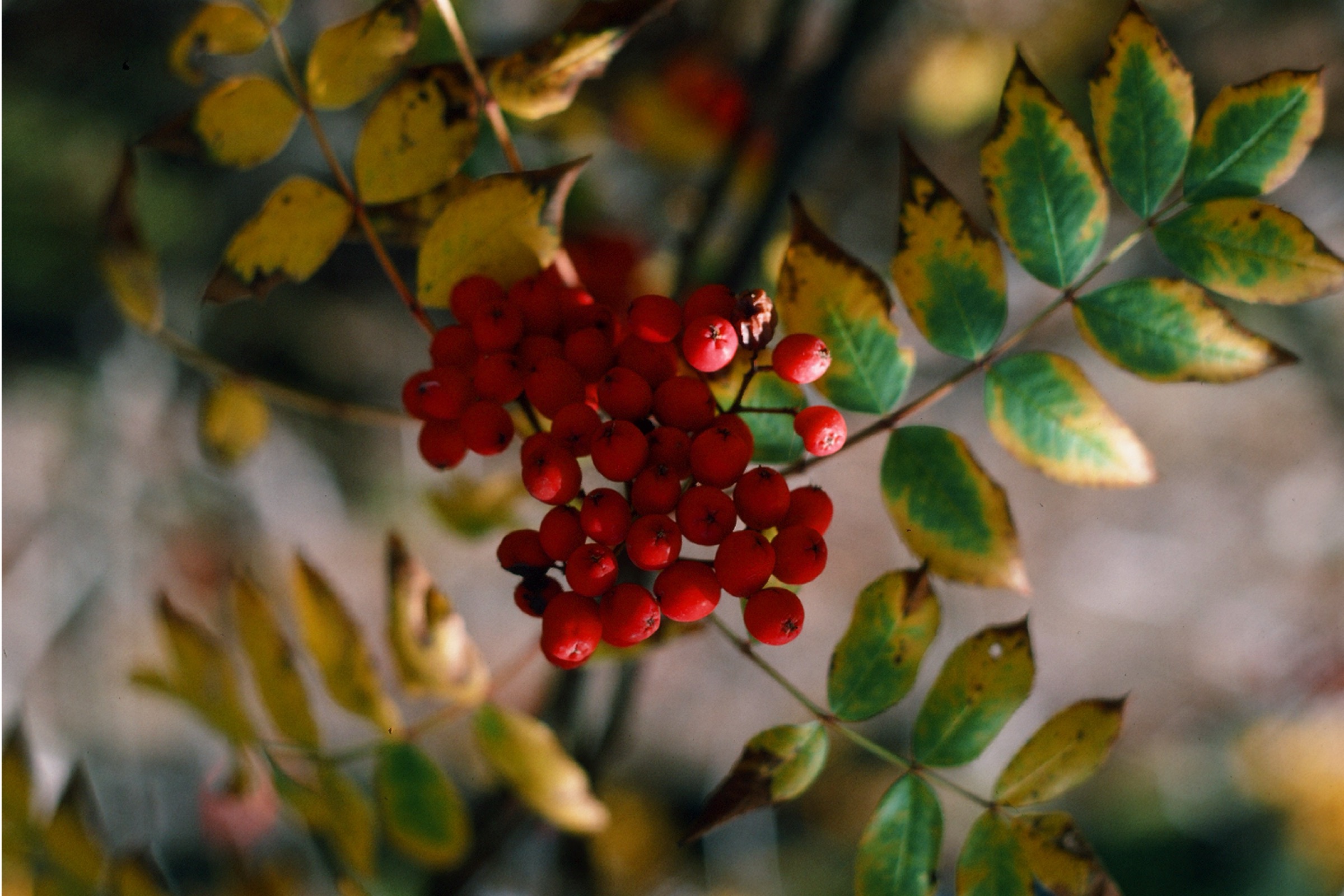
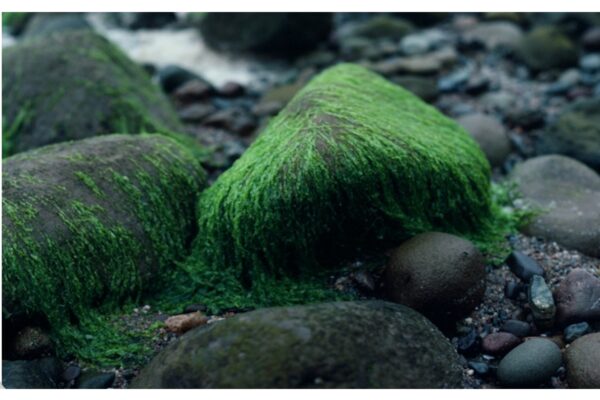
What to focus on, that’s always the question when taking a photograph. Depth of field determines the answer. Automatic focusing systems, such as those found on digital cameras and smartphones, have trouble producing an image such as the one shown above, displaying what is known as “bokeh”, a deliberate blurring of part of the image. As explained in a previous post, the term is derived from the Japanese word “boke” which means “blur”.
Full automation can work even in dim light, but can also defeat one’s intention by selecting the wrong part of the scene. A camera with controls, and lenses that allow for adjustment, give you the creative input to create the bokeh effect. A camera with aperture priority enables the operator to set a depth of field, also known as the F shop (focal stop). The smaller the number, the greater the bokeh. In numerical terms, an aperture setting of 2.0 will deliver bokeh, while a higher setting such as 11.0 or 16.0 will deliver an image focused near, middle, and far simultaneously.
“It’s a little closer to what the eye actually sees. Our eyes cannot focus on multiple areas at the same time.” ~ Irene Rudnyk, portrait photographer based in Calgary
Location: Coquitlam, British Columbia
Date: Autumn, 1983
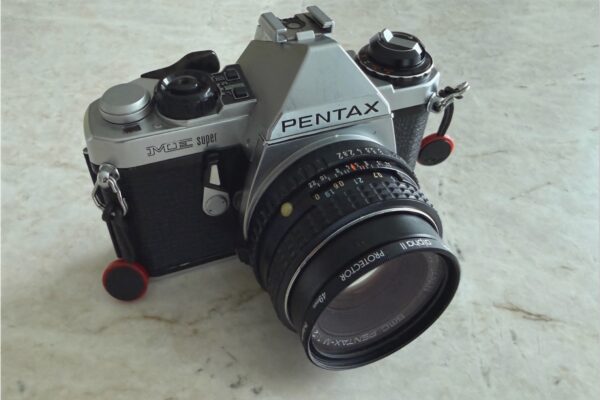
Source: Pentax ME Super with Kodachrome 64 slide film